

For us, biohacking 80/20 means 80% healthy lifestyle and 20% permitted "slips": a dessert, a skipped workout, a good supplement you have tried on yourself, and letting go of rigid control, which becomes a source of stress in its own right. We are not fans of extreme biohacking: ice baths on a schedule, handfuls of pills and blood tests every week. We review supplements, debunk medical myths and follow microbiome research, and we use that knowledge to give travellers advice that works on holiday and in everyday life.
My name is Oleg Filatov, and I am a gastroenterologist. BIOHACTOUR is a Turkish travel agency licensed by TÜRSAB (A-14433) and the certified representative of Estethica Hospital Istanbul (certificate EST-2026-06-992). That is why our biohacking is not abstract theory: we help you prepare your body for a hair transplant or cosmetic surgery, get a health check-up, and come back from holiday genuinely rested rather than exhausted.

What does biohacking mean to us?
Biohacking means managing the factors that genuinely affect your health, and staying relaxed about everything else.
The 80% is the foundation, without which nothing works. Seven to eight hours of sleep. Movement every day, not one heroic workout a week. Food with plenty of plants and little ultra-processed food. No smoking. Alcohol rarely and in small amounts.
The 20% is the freedom, without which the foundation doesn't hold. A slice of cake on a birthday. A workout you sleep through after a hard week. A new supplement you want to try on yourself. Rigid control of every calorie and every step becomes a source of stress, and stress is a risk factor in itself.
The 80/20 rule is not a scientific law but our working philosophy: healthy habits you can keep up for years do more good than perfect ones you drop after a month.
Why aren't we in favour of extreme biohacking?
Extreme biohacking promises to "hack" the body: dozens of supplements, long fasts, exotic procedures. Most of these practices have no evidence base, and some carry real risks: interactions between supplements and medication, distorted test results, bleeding during surgery.
An example we see all the time is high-dose vitamin D taken "for immunity" without a blood test. Vitamin D is genuinely needed when you are deficient. But it is fat-soluble and builds up in the body, and an overdose raises blood calcium, which is dangerous for the kidneys and heart. A useful substance at an extreme dose becomes a problem.
That is biohacking without the obsession: first find out what works and at what dose, then try it. Never the other way round.
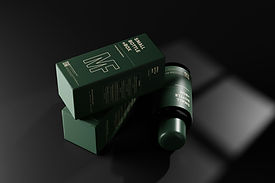
How do we review supplements?
We check every supplement against four questions:
-
Are there good-quality studies in humans, not in mice or test tubes?
-
Does it work in people without a deficiency, or only when a deficiency has been confirmed?
-
What does it interact with: medication, blood tests, surgery?
-
What dose was used in the studies, and what dose is in the jar?
An example of an evidence-based conclusion: vitamin D is needed when you are deficient, but in the large VITAL trial (New England Journal of Medicine, 2019), vitamin D taken by people without a marked deficiency did not reduce the incidence of cancer or cardiovascular disease. Test first, supplement second.
Wanting to try a supplement on yourself is fine: that is part of the 20% freedom. The rules for a safe experiment:
-
one new supplement at a time, or you won't know what worked;
-
4–8 weeks, with notes on how you feel;
-
no effect means you stop, without raising the dose;
-
if you take medication, are pregnant or are preparing for surgery, see a doctor first.
Another example: people take magnesium "for leg cramps". But in a 2020 Cochrane review, magnesium for older adults with ordinary night cramps and no obvious cause performed almost the same as a placebo. At the same time, with a confirmed magnesium deficiency, for example while taking certain diuretics, it is genuinely needed. The difference between "helps everyone" and "helps those who are short of it" is the whole point of a review.
Our reviews of specific supplements are in the blog section [Supplements and healthy nutrition].

Which myths of medicine and pharmaceutical marketing do we debunk?
-
"Detox removes toxins, and sweating flushes them out." Medicine has no such thing as "slags" building up in the body: toxins are removed by the liver and kidneys, and sweat is almost entirely water and salt. [Hammam myths explained]
-
"An antibiotic will help you get over a cold faster." Colds and flu are caused by viruses, and antibiotics only act on bacteria. An unnecessary course won't speed up recovery, but it will disrupt your gut microbiome.
-
"You need to drink eight glasses of water a day." There is no single norm for everyone: your needs depend on heat, activity and food, and part of your water comes from food and other drinks. A simpler rule: drink when you are thirsty, and more in hot weather.
-
"Coffee dehydrates you." A moderate amount of coffee in people used to drinking it has no noticeable effect on fluid balance.
-
"A vitamin drip boosts your immune system." In a healthy person without a deficiency, there is no evidence for this.
-
"A generic is exactly the same as the original, just cheaper" — and the opposite myth, "the original is always better". The truth lies in between. A generic contains the same active ingredient, but excipients and manufacturing quality vary between manufacturers. For most medicines, a good generic works just as well as the original. But for drugs with a narrow therapeutic window, such as thyroid hormones, anti-epileptics and blood thinners, switching should be agreed with your doctor. What matters is not the price but the manufacturer and the specific drug.
-
"Products for immunity and against all viruses at once." Many products advertised as "immune boosters" or "broad-spectrum antivirals" have no good-quality clinical trials behind them. As for homeopathy: a major review by Australia's National Health and Medical Research Council (2015) found no reliable evidence that it is effective for any health condition. Yet homeopathic products are still sold in pharmacies, so look for the word "homeopathic" on the packaging.
-
"Clinically proven" on the label. Behind this phrase there is sometimes a single small study paid for by the manufacturer. We look at how many participants there were, whether there was a control group, and who paid.
-
"Peptides are a new, safe way to look younger and recover faster." Peptides are not one substance but a huge class. Some are medicines with a strong evidence base, such as semaglutide-based drugs for diabetes and obesity. But social media sells something else: "research-only" peptides for injection, the most popular being BPC-157. It has never been approved by the FDA for any use in humans. In 2023, the FDA classed it among substances with significant safety risks, due to possible immune reactions and impurities. In April 2026 that restriction was lifted, and in July an FDA expert committee voted by a narrow margin, 8 to 6, to recommend allowing it, and only for one indication: ulcerative colitis. The evidence still rests mainly on animal studies: there are no large controlled trials in humans, and long-term safety is unknown. For athletes, BPC-157 is on the WADA prohibited list. A trend is not the same as a proven medicine.
-
"Everyone needs probiotics, prebiotics and postbiotics." Probiotics are live bacteria, and their effect depends on the specific strain: some reduce the risk of diarrhoea during antibiotics, but there is no proven benefit for a healthy person taking them "just in case". Prebiotics are food for beneficial bacteria, essentially plant fibre: vegetables, legumes and whole grains provide the same thing without capsules. Postbiotics is a new term for substances produced by bacteria, and research is still limited. Before buying a jar of "-biotics", ask: which strain, for which condition, and in which study did it work?
-
We look at each myth separately on the blog, with links to the research.

What do we know about the microbiome, and what does nobody know yet?
The microbiome, the community of bacteria living in the gut, is one of the most interesting and most overhyped topics in medicine. Here it is important to separate what has been proven from what is still a hypothesis.
What is known? A varied diet is linked to a more varied microbiome: in the American Gut Project (mSystems, 2018), people who ate more than 30 different plant foods a week had a more diverse microbiome than those who ate fewer than 10. Antibiotics temporarily disrupt the balance of bacteria, which is why they can cause diarrhoea. According to a meta-analysis in BMJ Open (2021), some probiotics reduce the risk of this diarrhoea in adults.
What is being studied but not yet proven? The gut–brain connection: researchers find links between microbiome composition, mood and stress, but most of the data comes from animal or observational studies. Whether this is cause or effect is not yet clear.
What does nobody know yet? What an "ideal" microbiome looks like, or whether a stool test can be used to design a personal diet. Commercial microbiome tests currently tell you more about the bacteria than about what to do with that information.
What does this mean for travellers? New food, different water and an all-inclusive buffet put real strain on the gut. The simplest thing that works is varied food with plenty of vegetables, fruit and legumes, and Turkish cuisine is ideal for that. If you have been prescribed a course of antibiotics, for example after a hair transplant, ask your doctor whether to take a probiotic during that time.
Our microbiome expert
Dr. Sevastenkova is a clinical laboratory diagnostics physician, an expert in the microbiome and metagenomics, and BIOHACTOUR's scientific adviser on evidence-based medicine. On her Telegram channel (in Russian), she reviews microbiome research without the hype.

Biohacking on holiday: how to come back rested, not exhausted
-
Jet lag. Morning daylight in the first few days helps reset your body clock faster. Don't go to sleep during the day on the day you arrive; if you really need to, keep it to 20–30 minutes.
-
Gut infections. The main thing is to choose a hotel with a good kitchen, wash your hands with soap before eating, and choose hot dishes.
-
Heat and alcohol. A glass of water for every glass of alcohol, and shade between 11 am and 4 pm.
-
Nature. Spending 20–30 minutes in nature three times a week produced the greatest drop in the stress hormone cortisol of the formats studied (Hunter et al., 2019). On holiday, that means a walk by the sea, in a forest or in a park, without a phone in your hand.
-
Movement. A holiday is the best time for 10,000–15,000 steps a day: walking tours, swimming, a boat trip.
-
Sleep. Don't set an alarm for an early excursion every day: lack of sleep eats up the benefit of the holiday.
-
The 20% freedom. Dessert after dinner and an extra hour on the sun lounger are part of the holiday, not a lapse.
-
Digital detox. The only "detox" with research behind it is a break from your phone. In an experiment by Kushlev and Dunn (2015), people who checked email three times a day instead of keeping it open all the time felt less stressed. And students who limited social media to 30 minutes a day saw their loneliness and depression symptoms fall within three weeks (Hunt et al., 2018). On holiday the rule is simple: work chats and notifications off, email once a day or not at all, phone for photos and messages to loved ones.

Holiday not helping?
Check whether it's burnout
Many people come back from holiday with the same problems they left with, because they took them along: work chats, anxiety, the habit of controlling everything.
Answer the questions in the test; it takes 7–10 minutes. Rate how you feel as it really is, without embellishing: the result is only useful if the picture is real. The questions were put together by a doctor, based on the signs of burnout and digital fatigue used in scientific research.
After the test, I will personally review your answers and suggest what kind of break will help you.
The test is not a medical diagnosis.
— Oleg Filatov, MD, BIOHACTOUR

How to prepare for a hair transplant or cosmetic surgery
This is where biohacking stops being a trend and becomes medicine. The result of an operation depends not only on the surgeon, but also on the state you arrive in.
Before surgery:
-
Smoking. According to the WHO, stopping smoking about 4 weeks before surgery reduces the risk of complications and improves healing.
-
Supplements that increase bleeding. The American Society of Anesthesiologists recommends stopping herbal supplements at least 2 weeks before surgery. These usually include high-dose fish oil, vitamin E, ginkgo, garlic and ginseng. Agree the exact list with the clinic's doctor.
-
Alcohol. None in the week before surgery.
-
Protein and sleep. To heal, your body needs building material and time: enough protein in your diet and 7–8 hours of sleep.
-
A beach holiday: before the procedure, not after. Sun, sea, swimming pools and hammams are not allowed after surgery for the period stated in the clinic's aftercare instructions.
Before dental implants:
-
Smoking increases the risk that an implant won't integrate. It is one of the most studied risk factors in implant dentistry.
-
Gum inflammation (periodontitis) needs to be treated before implants: it increases the risk of inflammation around the implant later on.
After surgery:
-
Follow the clinic's aftercare instructions exactly.
-
If you have been prescribed a course of antibiotics, ask your doctor whether to take a probiotic during that time.
What we arrange at Estethica Hospital Istanbul — a Class A medical centre (Turkish Ministry of Health), more than 28,000 procedures
Prices for BIOHACTOUR clients, paid at the clinic on the day of the procedure, with no prepayment:
-
Hair transplant: €1,720–1,970 all-inclusive with hotel and transfers (Sapphire FUE €1,490, Multi Implanter DHI €1,640 without hotel and transfers). A fixed price with no extra charge for the number of grafts within your donor limit. [Hair transplant at Estethica]
-
Plastic surgery: gynaecomastia from €1,920, Vaser liposuction (2 areas) €2,190, tummy tuck (abdominoplasty) €3,480, breast reduction €3,180, breast augmentation from €3,912, breast lift with augmentation from €4,440.
-
Dentistry: Bego implant (Germany) €265, Straumann implant €690, zirconia crown from €216, Emax veneers from €234 per tooth.
The doctor confirms the exact method and final price after a consultation: from photos for hair transplants and plastic surgery, from X-rays for dentistry. Once you send us your passport and flight tickets, we will send you the contract in advance. It is signed at the clinic, after the doctor's examination.
Our dental expert, Olga Filatova
-
Oral surgeon, implantologist and periodontist
-
Deputy Dean of the Faculty of Dentistry, St. Petersburg State Pediatric Medical University
-
8 years of experience in complex implant surgery and periodontology, with training in Italy and Germany
[Expert page] · [Dental implants and CAD/CAM systems: Russia vs Turkey]

Health check-up: find out everything about your health in 1–2 days
Biohacking starts with data, not supplements. Before you take vitamin D or change your diet, it helps to know what is really going on with your heart, blood vessels, gut and metabolism. At Acıbadem Hospital in Istanbul, with which we have a direct contract, we arrange:
Executive Check-Up — €3,500, 1 day.
Consultations with a GP, cardiologist, ENT specialist, ophthalmologist, dermatologist, and a gynaecologist or urologist. Cardiac CT with a coronary calcium score, brain MRI, gastroscopy under sedation, a sleep study, bone density scan and an extended laboratory panel, including vitamin D, B12, ferritin and HbA1c.
Women's Screening Programme — €700, 2 days.
For patients over 40, the scope of tests is tailored individually.
A check-up fits easily into a holiday: one or two days at the hospital, then Istanbul, Bodrum or a cruise. And if you are coming for a hair transplant or cosmetic surgery, a check-up will show before your trip whether there are any contraindications.

Toparlanma Sonrası Kruvaziyer
A cruise after recovery
Once the period in the clinic's aftercare instructions has passed, sun and sea are allowed again, and that is a good reason to celebrate the result. A cruise from Turkey is the most relaxed way to unwind after surgery, or simply after a hard year: your cabin, meals and route are already taken care of, there is a new port every day, and the onboard internet is only good enough for messages to loved ones.
The Astoria Grande sails from Antalya, and Aroya also has departures from Turkey. We will find a cruise that starts once your post-surgery restrictions end.
Sources
Supplements and myths Garrison SR et al. Magnesium for skeletal muscle cramps. Cochrane Database of Systematic Reviews, 2020. Kenealy T, Arroll B. Antibiotics for the common cold and acute purulent rhinitis. Cochrane Database of Systematic Reviews, 2013. Valtin H. "Drink at least eight glasses of water a day." Really? American Journal of Physiology, 2002. Killer SC et al. No evidence of dehydration with moderate daily coffee intake. PLoS One, 2014. National Health and Medical Research Council (Australia). Evidence on the effectiveness of homeopathy, 2015. FDA. Bulk Drug Substances Used in Compounding Under Section 503A: BPC-157, 2023–2026. Microbiome McDonald D et al. American Gut: an Open Platform for Citizen Science Microbiome Research. mSystems, 2018. Goodman C et al. Probiotics for the prevention of antibiotic-associated diarrhoea: a systematic review and meta-analysis. BMJ Open, 2021. Holidays and burnout Hunter MR et al. Urban nature experiences reduce stress in the context of daily life based on salivary biomarkers. Frontiers in Psychology, 2019. Kushlev K, Dunn EW. Checking email less frequently reduces stress. Computers in Human Behavior, 2015. Hunt MG et al. No more FOMO: limiting social media decreases loneliness and depression. Journal of Social and Clinical Psychology, 2018. WHO. Burn-out an "occupational phenomenon": International Classification of Diseases (ICD-11), 2019. de Bloom J et al. Do we recover from vacation? Meta-analysis of vacation effects on health and well-being. Journal of Occupational Health, 2009. Sonnentag S, Fritz C. The Recovery Experience Questionnaire. Journal of Occupational Health Psychology, 2007. CDC Yellow Book 2026. Travelers' Diarrhea. Preparing for surgery WHO. Tobacco and postsurgical outcomes, 2020. American Society of Anesthesiologists. Recommendations on stopping herbal supplements before surgery. Chrcanovic BR et al. Smoking and dental implants: a systematic review and meta-analysis. Journal of Dentistry, 2015. Schwarz F et al. Peri-implantitis. Journal of Periodontology, 2018 (2017 World Workshop consensus). McFarland LV. Meta-analysis of probiotics for the prevention of traveler's diarrhea. Travel Medicine and Infectious Disease, 2007. Riddle MS et al. ACG Clinical Guideline: Diagnosis, Treatment, and Prevention of Acute Diarrheal Infections in Adults. American Journal of Gastroenterolo

Supplements and healthy nutrition: a doctor's reviews
Here we collect our reviews of supplements and foods, using the same approach: are there studies in humans, who needs it, what does it interact with, and what dose works. No "superfoods" or miracle capsules, only what stands up to scrutiny. That is the foundation of Biohacking 80/20: first understand, then try.


